
Automatic Ribbon Pleating Sewing Machine with a Stepper Motor Upper Differential
In the fast-paced world of apparel manufacturing, efficiency and consistency are the twin pillars of success. Every factory floor faces the challenge of producing intricate designs quickly without sacrificing quality. One of the most historically time-consuming tasks is creating uniform ruffles, gathers, and pleats. Doing this manually or with traditional mechanical attachments requires immense operator skill and frequently results in uneven styling.
Enter the Automatic Ribbon Pleating Sewing Machine with a Stepper Motor Upper Differential. This advanced piece of automation technology changes how factories handle delicate, decorative elements by putting digital precision directly into the feed mechanism.
The Mechanical Bottleneck of Traditional Pleating
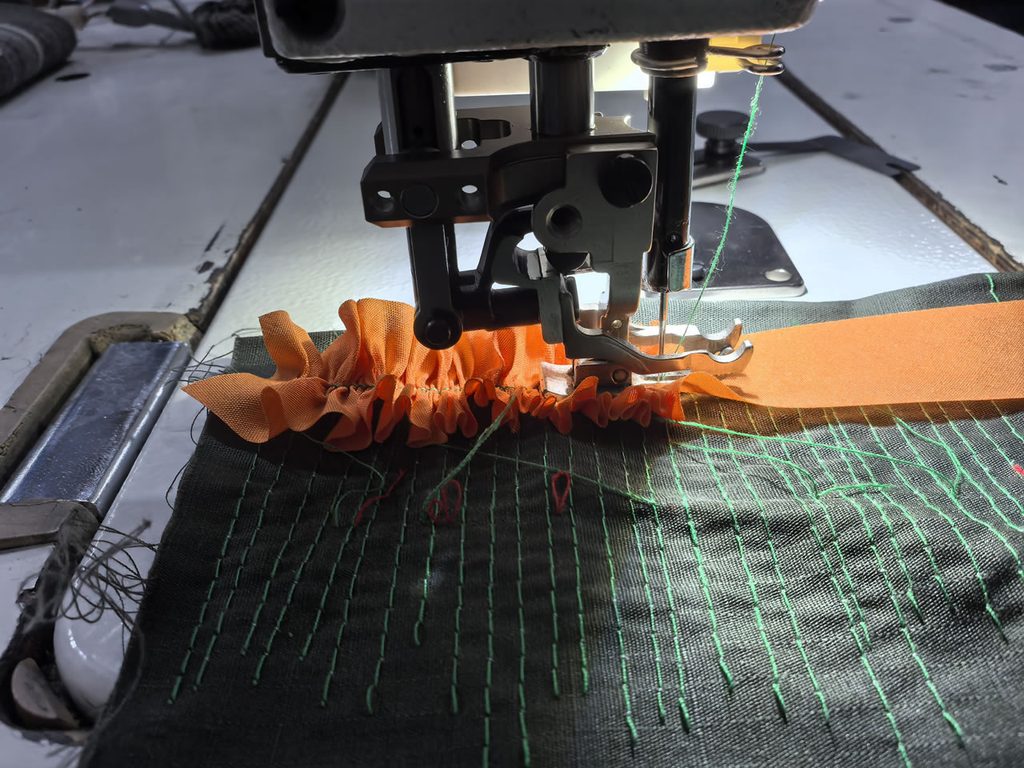
To appreciate this technology, it helps to look at the image above. We see a specialized machine feeding a bright orange ribbon across a dark base fabric, transforming it into a beautifully dense, ruffled pleat. Notice the precise spacing of the gathers and the consistent stitching anchoring the ribbon down.
In a traditional setup, achieving this level of uniformity is incredibly difficult. Standard sewing machines rely on mechanical mechanical gears, cams, or generic ruffler attachments. If an operator wants to change the density of the pleats, they have to turn off the machine, swap out physical parts, and run multiple test pieces. Furthermore, traditional systems feed the top fabric and bottom fabric at the exact same rate. When handling a ribbon that needs to be bunched up while the bottom fabric stays completely flat, standard machines struggle, causing fabric puckering, thread bunching, and inconsistent wave heights.


Enter the Stepper Motor and Upper Differential System
The machine in the image overcomes these limitations through a sophisticated combination of two critical technologies: a stepper motor and an upper differential feed.
1. The Precision of a Stepper Motor
Unlike traditional AC or clutch motors that spin continuously, a stepper motor moves in precise, fractional increments (steps) controlled by digital signals. By connecting a stepper motor directly to the feeding mechanism, the machine knows exactly how many millimeters of ribbon to push forward for every single stitch. This eliminates mechanical drift and ensures that the first pleat looks identical to the ten-thousandth pleat.
2. The Control of an Upper Differential
A standard differential feed controls the lower feed dogs beneath the needle plate. However, an upper differential controls a secondary feeding mechanism right next to the presser foot on top of the fabric. In this specific application, the upper differential grips the orange ribbon independently of the dark fabric underneath.
Because the upper feed is driven by the programmable stepper motor, it can actively push extra ribbon under the needle while the lower feed moves the main fabric forward at a normal pace. This controlled speed mismatch is what creates the perfect, uniform ruffling effect seen in the photograph without stretching or warping the base material.
Automatic Ribbon Pleating Sewing Machine Key Benefits for Modern Garment Manufacturing
Transitioning to an automatic system with these exact specifications delivers immediate, measurable advantages to a high-volume factory floor:
- Digital Customization via Touchscreen: Operators no longer need to adjust mechanical dials or swap out ruffler plates. The pleating density, gather height, and stitch length can be modified instantly via a digital control panel.
- Drastic Reduction in Fabric Waste: Manual ruffling is notorious for trial-and-error mistakes. By digitizing the feed ratio, factories achieve perfect execution from the very first centimeter, eliminating costly fabric and ribbon scrap.
- Unmatched Versatility: Whether a client needs tight, aggressive ruffles for fashion wear or soft, loose gathers for home textiles, the stepper-driven upper differential adapts to different ribbon weights and widths with a simple software adjustment.
Reduced Operator Fatigue: The machine handles the micro-adjustments and fabric tension automatically. The operator simply guides the panel forward, multiplying line throughput and keeping quality consistent across a full eight-hour shift.
Contact Us Today
Get a premium quotation for your business today!
- Hotline: +86-576-83473717
- WeChat: Tomsewing
- Official Website: Tomsewing
- Watch Our Inspection Videos: Tomsewing YouTube Channel
Related Posts
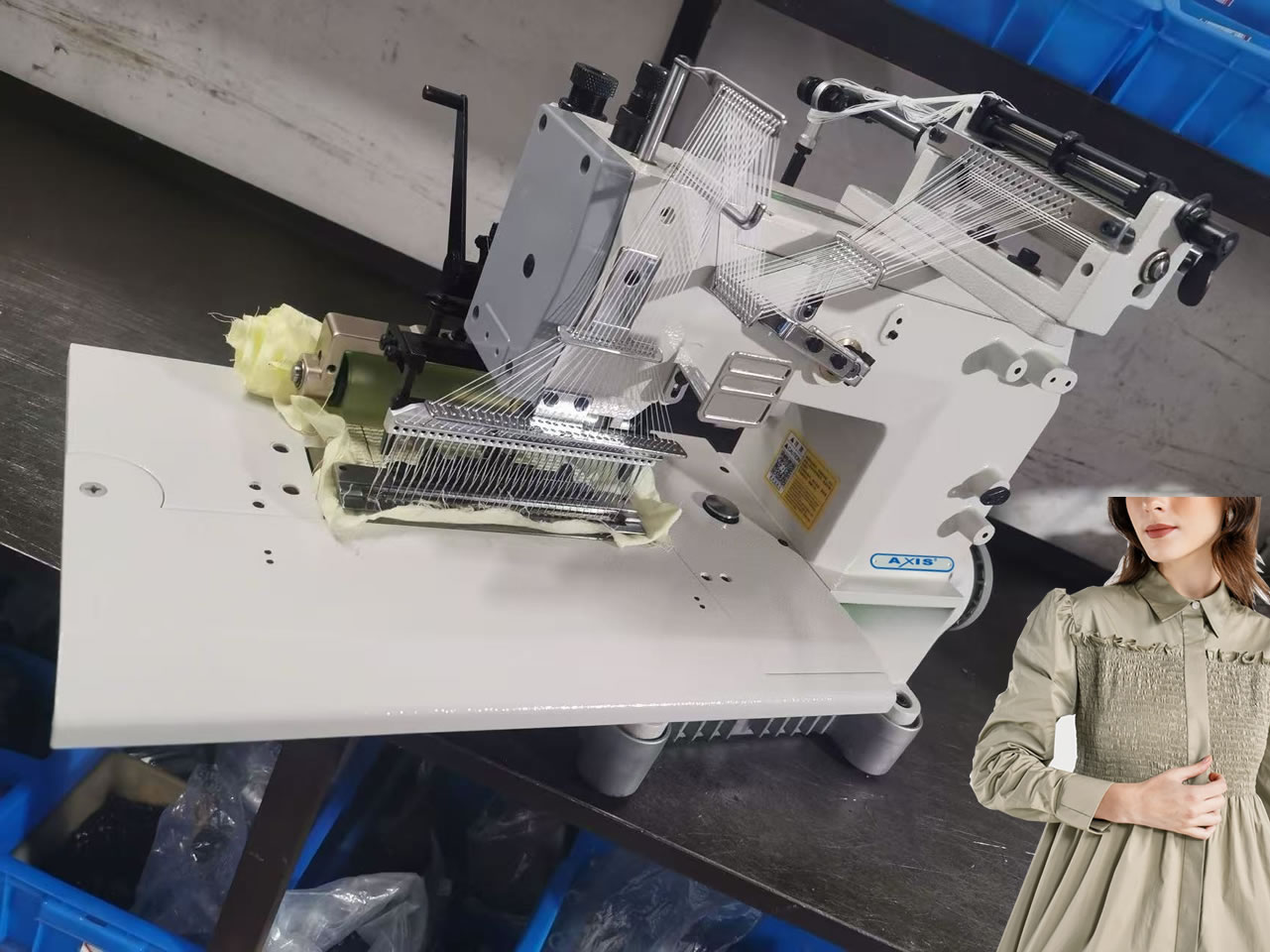 Bangladesh Clothing Factory Proficiently Uses Embroidery Smocking Machine to Improve Production Efficiency
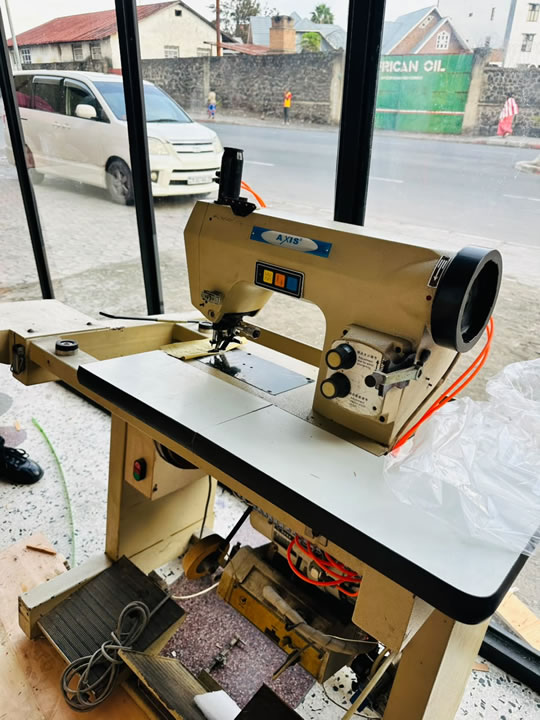 Hand Stitch Look on Sewing Machine Successfully Delivered to Our Bangladeshi Partner
 Industrial Embroidery Machine ES5 in Bangladesh of Operation Video Part 5:Button Hole